
Understanding Your Current Fitness Level
Assessing your current fitness level is a pivotal first step in any exercise regimen. A comprehensive understanding of where you stand can significantly influence your journey towards improved health and well-being. Several methods can be employed to evaluate your fitness, including self-assessment questionnaires, standardized fitness tests, and wearable technology.
Self-assessment questionnaires are a straightforward way to gauge your fitness level. These assessment tools typically ask about your exercise habits, dietary choices, and lifestyle factors, providing a holistic view of your overall health. While subjective in nature, they can highlight areas that may require attention, serving as a foundation for a more detailed assessment.
Fitness tests, such as the Cooper Test for cardiovascular endurance or the one-repetition maximum for strength assessment, can provide quantifiable data regarding your fitness. These tests measure your ability to perform specific physical tasks and may necessitate guidance from a fitness professional. It is essential to perform these tests safely in a controlled environment to yield accurate results.
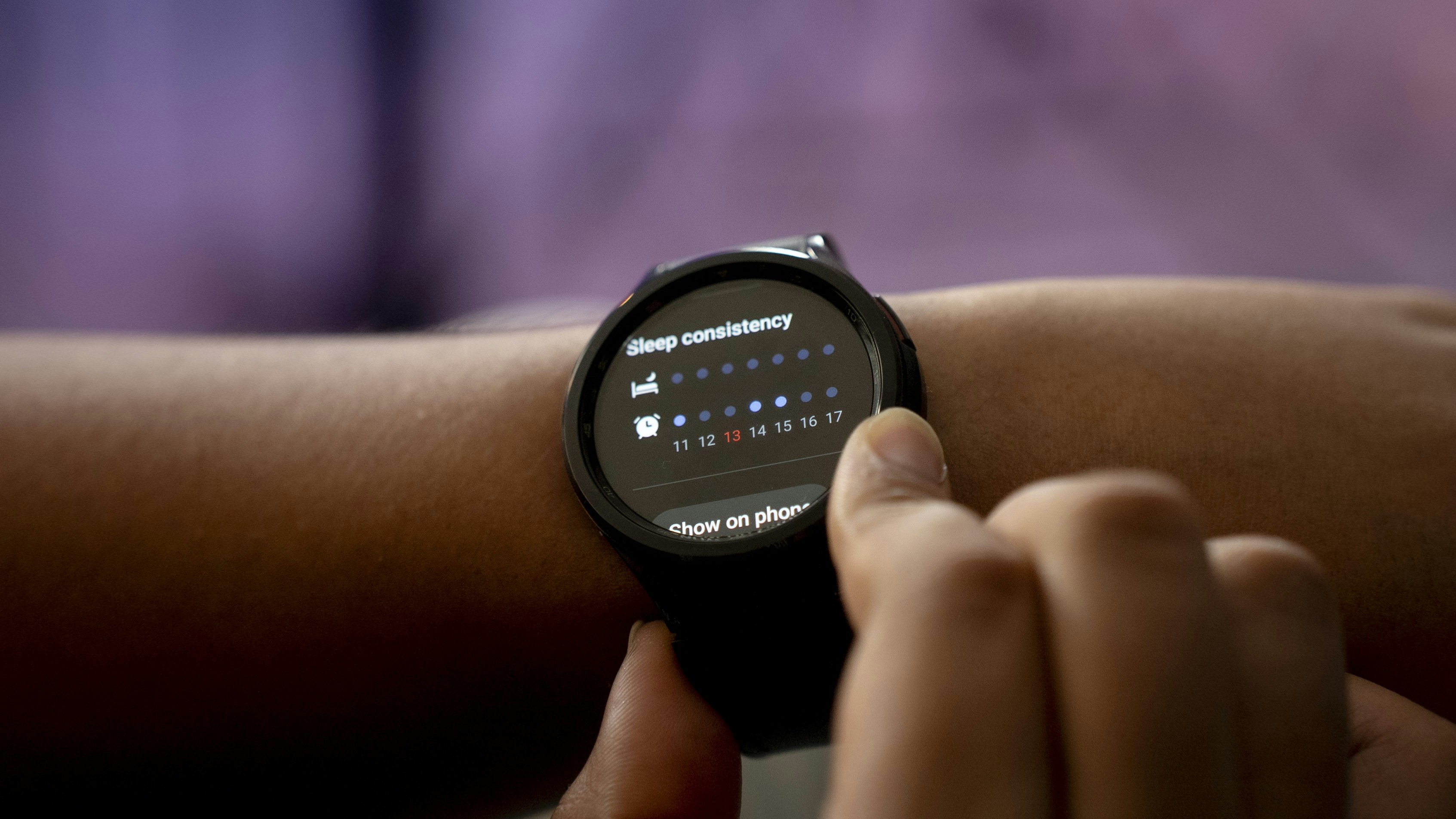
Wearable technology has revolutionized fitness assessment by allowing individuals to track their activity levels, heart rate, and even sleep patterns. Devices like fitness trackers and smartwatches offer insights into your daily movements and can provide feedback on your progress. Utilizing this technology aids in understanding your cardiovascular endurance, strength, flexibility, and body composition over time.
Once you have assessed your current fitness level through these various methods, it is important to interpret the results meaningfully. Knowing where you stand allows you to set realistic fitness goals tailored to your individual circumstances and aspirations. This foundational knowledge enables the design of a progressive fitness plan that promotes sustainability and consistency in your fitness journey.
Creating a Customized Fitness Plan
Developing a personalized fitness plan is an essential step towards achieving your health and wellness goals. By tailoring your workouts to your unique needs, preferences, and lifestyle, you are more likely to stay motivated and committed over the long term. The foundation of any effective fitness plan can be guided by the FITT principle, which stands for Frequency, Intensity, Time, and Type of exercise.
Frequency refers to how often you engage in physical activity. Depending on your personal goals, such as weight loss, muscle gain, or general health improvement, the recommended frequency can vary. For most adults, a minimum of 150 minutes of moderate aerobic activity or 75 minutes of vigorous activity each week is suggested, distributed over a minimum of three days.
Intensity pertains to the effort level of your workouts. You can gauge intensity through your heart rate or perceived exertion. Adjusting the intensity of your exercises can maximize benefits while ensuring safety. Beginners might start with low to moderate intensity, gradually increasing as their fitness level improves.
Time involves the duration of each workout session. The ideal length may depend on your schedule and fitness goals. Aiming for at least 30 minutes per session is a good starting point; however, supplementing shorter sessions throughout the day can also yield beneficial outcomes.
Type refers to the kind of exercise you choose, which should align with your interests to enhance enjoyment. Combining aerobic exercises, strength training, flexibility, and recreational activities can keep workouts fresh and engaging. Additionally, varying activities helps prevent plateaus in physical progress and maintains interest.
When designing your customized fitness plan, consider your current fitness level and adjust exercises accordingly. Beginners may need more simplified movements, while advanced individuals might explore diverse challenges. Lastly, scheduling your workouts in a way that complements your routine is critical for consistency. Setting aside specific times during the week that work best for your lifestyle can instill a habit of regular exercise and promote lasting change.
Tracking Progress and Staying Motivated
Tracking progress is an essential aspect of any fitness journey. It serves not only as a measure of how far one has come but also as a source of motivation. When individuals see the results of their hard work, whether through physical changes or performance improvements, it reinforces their commitment to their fitness goals. Utilizing various tracking methods can streamline this process and make it more engaging. Popular methods include maintaining a fitness journal, using mobile apps, or participating in community forums.
A fitness journal allows individuals to document their workouts, nutrition, and feelings throughout their journey. This practice can provide insights into what works best and highlight areas requiring improvement. On the other hand, fitness apps offer a more interactive experience, often including features like progress graphs, exercise databases, and community challenges that can enhance motivation. Community forums create a space for shared experiences and support, allowing individuals to connect with like-minded people, share success stories, and receive encouragement. This social aspect can be particularly beneficial for maintaining motivation.
Celebrating small wins is another crucial component of staying motivated. Recognizing incremental successes, such as completing a week of workouts or achieving a new personal record, fosters a sense of accomplishment. These celebrations don’t have to be grand; they can be as simple as treating oneself to a favorite healthy snack or taking a relaxing day off. Furthermore, addressing motivational challenges requires cultivating a positive mindset. Strategies such as setting realistic goals, visualizing success, and reminding oneself of the reasons for starting the fitness journey can significantly boost one’s ability to stay focused and committed amidst obstacles.
Ultimately, tracking progress not only aids individuals in holding themselves accountable but also makes the fitness journey more enjoyable and sustainable. By integrating various tracking methods, commemorating achievements, and maintaining a positive outlook, individuals can enhance their motivation and continue to progress towards their fitness objectives.
Evaluating and Adjusting Your Fitness Journey
Regular evaluation of your fitness journey is crucial to ensuring continued progress and long-term sustainability. As you embark on this journey, it is important to recognize when you hit plateaus—periods where progress may seem stagnant. These plateaus often signal the need for reassessment of your current fitness goals and methodologies. By identifying these moments, you can pivot and implement new strategies to reignite your motivation and progress.
Reassessing your fitness goals is another essential component of this evaluation process. Goals that once motivated you may become less relevant over time as your capabilities change and grow. Incorporating feedback from periodic fitness assessments can also provide valuable insights into your current status and help you adjust your objectives accordingly to maintain an ongoing challenge. Advanced fitness assessments can help gauge not just physical achievements but also overall well-being, guiding you to align your goals with your lifestyle.
To facilitate consistent engagement and prevent burnout, it is vital to set new challenges periodically. Introducing variety keeps the routine fresh and enjoyable, which significantly enhances adherence to your fitness plan. Engaging in a mix of training modalities, such as strength training, cardiovascular workouts, yoga, and recreational sports, can stimulate interest and promote holistic fitness. Furthermore, seeking out supportive communities can provide accountability and encouragement, fostering a collective motivation that bolsters individual efforts.
Incorporating these strategies into your fitness regimen enables you to maintain a lifelong commitment to health and well-being. As you continue along your journey, remember that adaptability and reflection are key elements in achieving and sustaining your fitness goals. Improvement is a gradual process, and regular evaluation can significantly help in optimizing your experience, ultimately leading to success in your fitness endeavors.
Go789info, it’s my go-to spot for a quick game and a thrill. Seriously, I’ve been having a blast! Checking it out go789info. You won’t regret it!