
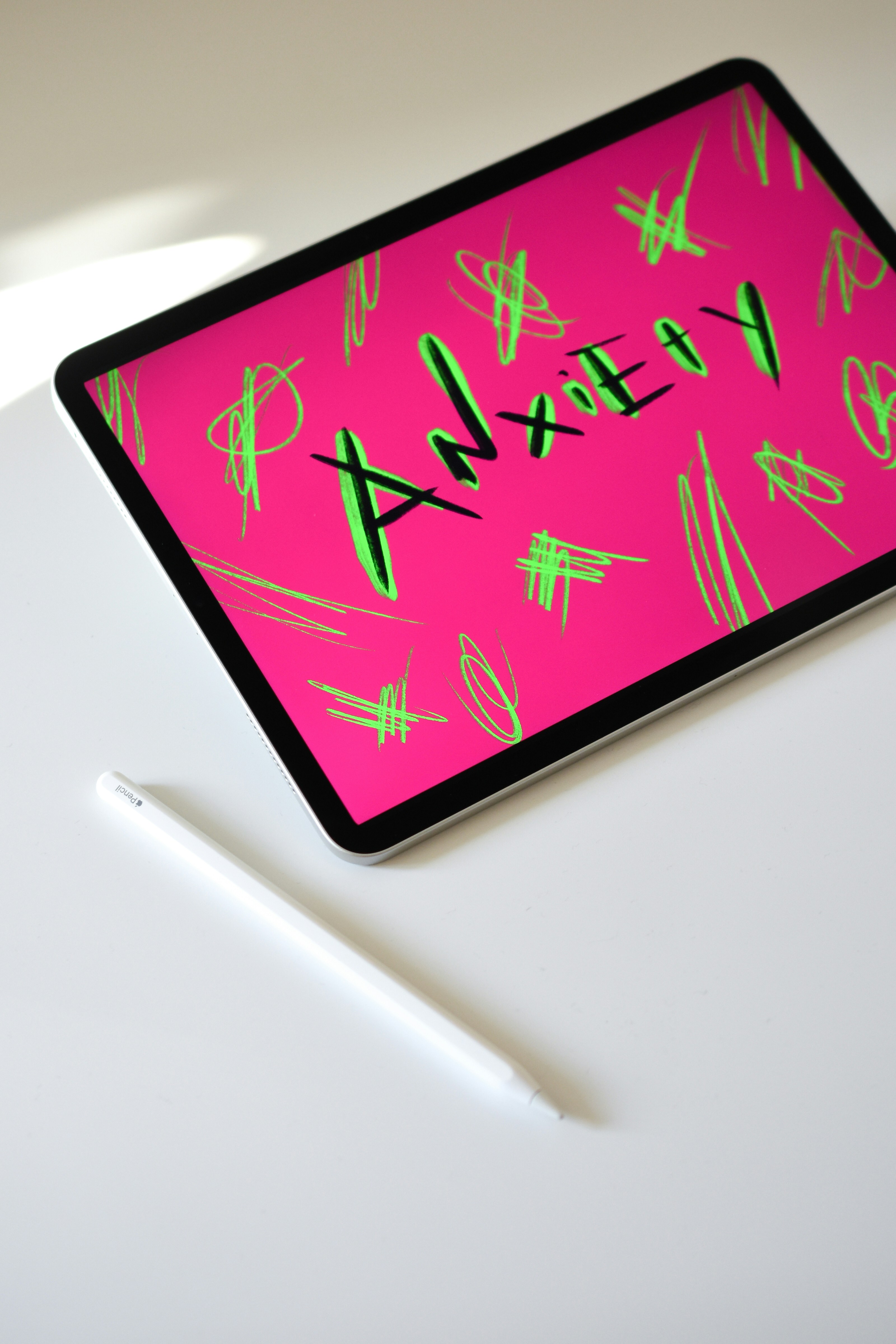
Anxiety Disorders Overview
Anxiety disorders have emerged as a significant mental health concern in modern society, affecting millions of individuals across various demographics. These disorders manifest in different forms, including generalized anxiety disorder (GAD), panic disorder, social anxiety disorder, and specific phobias, among others. Data indicates that approximately 19.1% of adults in the United States experience some form of anxiety disorder annually, which translates to over 40 million people. This rising prevalence indicates not only a growing recognition of mental health issues but also a changing societal landscape that is increasingly demanding attention towards mental wellness.
Seeking Treatment
The increasing awareness and understanding of mental health have led to a surge in individuals seeking treatment for anxiety disorders. Confounding factors such as the fast-paced nature of contemporary life, economic pressures, and the impact of social media contribute to heightened anxiety levels. Many individuals report that symptoms of anxiety significantly impair their quality of life, leading to the pursuit of effective treatment options. Furthermore, the availability of resources and support networks has encouraged many to access professional help, showcasing a shift towards prioritizing mental health.
The Role of Medications
In terms of treatment, the role of medications has gained considerable attention. Pharmacological interventions are often utilized as part of a comprehensive approach to managing anxiety, alongside therapies such as cognitive-behavioral therapy (CBT). Medications like selective serotonin reuptake inhibitors (SSRIs) and benzodiazepines are commonly prescribed to alleviate symptoms and improve the quality of life for those suffering from anxiety disorders. As research continues to evolve, the landscape of anxiety treatment is adapting as well, as clinicians look to evidence-based practices that offer both short-term relief and long-term management strategies.
The Rise in Anxiety Disorders Among Americans
In recent years, there has been a marked increase in the number of reported anxiety disorders among the American population. Research indicates that anxiety disorders have emerged as the most prevalent mental health issues, with approximately 40 million adults in the United States affected annually. This figure represents about 18.1% of the adult population, underscoring a critical public health concern.
Several factors have contributed to this alarming rise in anxiety disorders. One major influence has been the societal changes over the past decades, including the fast-paced lifestyle, economic challenges, and increasing social media interaction, which often exacerbates feelings of inadequacy and isolation. These societal pressures have led to heightened anxiety levels among individuals, particularly among younger demographics who are more susceptible to the influences of social comparison and online interactions.
The onset of the COVID-19 pandemic further accelerated this trend. The unprecedented health crisis brought about widespread uncertainty, fear, and significant disruptions to daily life. According to various studies conducted during and after the initial wave of the pandemic, anxiety levels soared, with surveys indicating that nearly one in three adults reported experiencing anxiety or depressive symptoms. This surge can be attributed not only to the fear of the virus itself but also to the implications of lockdown measures, economic instability, and the disruption of social supports.
As the nation continues to navigate the challenges posed by the pandemic and its aftermath, the trend of rising anxiety disorders remains a pressing issue. Recognizing the underlying causes is essential for developing effective treatment strategies, as well as fostering awareness and support for affected individuals. Understanding this growing phenomenon can pave the way for comprehensive approaches to anxiety treatment and mental health care in America.
Treatment Options for Anxiety
Anxiety disorders, prevalent in many segments of the American population, can be addressed through various treatment modalities. Understanding these options is essential for individuals seeking effective relief. The primary approaches for anxiety treatment are therapy, lifestyle changes, and medications.
Cognitive-Behavioral Therapy (CBT) is one of the most extensively researched and utilized forms of psychotherapy for anxiety. This approach focuses on identifying and modifying negative thought patterns and behaviors associated with anxiety. Studies have demonstrated that CBT can lead to significant reductions in anxiety symptoms and empower individuals with coping mechanisms. However, CBT may require a substantial time commitment and the results may vary based on individual responsiveness.
In addition to therapy, lifestyle changes can greatly influence anxiety levels. Engaging in regular physical activity, maintaining a balanced diet, and practicing mindfulness or relaxation techniques can help mitigate anxiety symptoms. Such lifestyle interventions are generally low-risk and promote overall well-being. However, adjustments may take time to incorporate into daily routines, and the efficacy can differ from person to person.
Medications are another common approach to treating anxiety. Selective serotonin reuptake inhibitors (SSRIs) and benzodiazepines are among the frequently prescribed options. These medications can offer rapid relief for anxiety symptoms but can also present risks of side effects and dependency, particularly with prolonged use. The decision to utilize medication should involve a careful discussion with a healthcare provider regarding the potential benefits and drawbacks.
In summary, managing anxiety effectively requires a comprehensive understanding of the treatment options available. A combination of therapy, lifestyle changes, and medication can be tailored to individual needs, offering pathways to improved mental health. Each option comes with its unique set of advantages and challenges, underscoring the importance of a personalized approach to anxiety treatment.
The Role of Medications in Anxiety Treatment
Medications play a crucial role in the treatment of anxiety disorders, providing relief to many patients who experience debilitating symptoms. The two primary categories of medications prescribed for anxiety are antidepressants and anti-anxiety drugs, each designed to target specific neurotransmitters and brain functions associated with anxiety.
Antidepressants, particularly selective serotonin reuptake inhibitors (SSRIs) and serotonin-norepinephrine reuptake inhibitors (SNRIs), are often the first line of treatment for generalized anxiety disorder (GAD), panic disorder, and social anxiety disorder. SSRIs, such as fluoxetine and sertraline, work by increasing the levels of serotonin in the brain, which can enhance mood and reduce anxiety. Conversely, SNRIs like venlafaxine target both serotonin and norepinephrine, offering a broader approach to alleviating anxiety symptoms.
In addition to antidepressants, benzodiazepines—such as lorazepam and diazepam—are frequently prescribed for short-term relief of acute anxiety episodes. These medications act quickly to alleviate symptoms by enhancing the effect of the neurotransmitter gamma-aminobutyric acid (GABA), leading to sedation and a calming effect. However, due to risks of dependence and withdrawal, healthcare professionals typically recommend benzodiazepines for short durations only.
Medication effectiveness can vary among individuals, and side effects are possible. Common side effects of antidepressants may include nausea, weight gain, and sexual dysfunction, while benzodiazepines can cause drowsiness, dizziness, and cognitive impairment. These side effects may influence a patient’s compliance with treatment, emphasizing the need for a comprehensive treatment plan that often includes therapy alongside medication.
Ultimately, medication can significantly improve the quality of life for individuals struggling with anxiety disorders. Careful management by a healthcare professional is essential to determine the most appropriate medication regimen, balancing benefits against potential adverse effects.
The Controversy Surrounding Medication Use
The utilization of medications for anxiety treatment has been a focal point of debate among healthcare professionals, patients, and the general public. On one hand, many support the effectiveness of pharmaceuticals, which often provide immediate relief from anxiety symptoms. These medications, ranging from selective serotonin reuptake inhibitors (SSRIs) to benzodiazepines, can offer crucial aid for individuals suffering from debilitating anxiety disorders. However, the reliance on these treatments has sparked significant controversy due to concerns about their efficacy and the potential for dependency.
Critics argue that while medications may alleviate anxiety symptoms, they do not address the underlying causes of such conditions. This has led to calls for a more holistic approach to anxiety management, favoring therapy and lifestyle changes over pharmaceutical interventions. Moreover, there is an increasing body of research indicating that many individuals do not respond favorably to medications, citing lack of effectiveness or adverse side effects as primary reasons for discontinuing their use.
A further point of contention lies in the dependency issues associated with certain anxiety medications. For instance, benzodiazepines, while effective for short-term management of acute anxiety, have been linked to tolerance development, leading to increased dosages and potential addiction. This reality creates a trepidation around long-term use, urging healthcare providers to consider alternative strategies for anxiety management.
Moreover, a growing movement advocates for complementary therapies such as cognitive behavioral therapy (CBT), mindfulness practices, and other non-pharmaceutical interventions. Proponents of this perspective argue that these approaches not only equip individuals with coping strategies but also fortify mental resilience long after the treatment has concluded.
Ultimately, the discourse surrounding anxiety medication is complex, consisting of varied viewpoints and experiences. While medications can be beneficial, a broader evaluation of treatment options—balancing pharmaceuticals with therapeutic interventions—could offer a more comprehensive path towards recovering from anxiety disorders.
Maha Derides Medications: A Personal Perspective
Maha’s perspective on anxiety medications offers a critical examination of their role in mental health treatment. In her analysis, she expresses a deep-seated skepticism about the widespread reliance on pharmacological solutions for anxiety disorders. She argues that while these medications can provide temporary relief, they often fail to address the underlying causes of anxiety, leading to a cycle of dependency that hampers long-term recovery.
Her critique is rooted in personal experience, as Maha shares her own journey with anxiety and the medications prescribed to her. She highlights the adverse side effects that she encountered, including emotional numbness and cognitive impairment. This sharing of her narrative underscores a broader sentiment that such medications can sometimes do more harm than good, as they obscure crucial emotional responses that are essential for personal growth and healing.
Maha’s viewpoint also raises questions about the medical community’s approach to treating mental health. By emphasizing the importance of therapy and holistic approaches, she advocates for a shift in focus from medication towards methods that foster deeper self-understanding and resilience. This perspective resonates with many who have felt disenchanted by the quick-fix mentality often associated with psychiatric medications.
The implications of her stance are significant in the context of a society that frequently prioritizes medication as the primary solution for anxiety. Maha’s critique encourages a reevaluation of how we conceptualize treatment for mental health, suggesting that the reliance on anxiety medications may not serve the best interests of patients in the long run. By fostering awareness and open dialogue about these issues, we can begin to promote a more comprehensive approach to mental health treatment that values long-lasting wellness over temporary solutions.
Patient Testimonials and Personal Stories
As the discourse surrounding anxiety treatment in America continues to evolve, personal testimonials provide a compelling narrative that highlights the diverse experiences individuals have encountered. Many patients have embarked on their journey with anxiety treatment, sharing their stories about coping strategies, the role of therapy, and the efficacy of medications.
One individual recounts their experience with anxiety, stating, “At first, I thought I could manage it on my own. I tried meditation and exercise, which helped somewhat. However, when my anxiety reached a peak, I sought professional help.” This path led them to cognitive behavioral therapy (CBT), which significantly improved their quality of life. They express gratitude for the skills learned through therapy and emphasize that while medication was not part of their treatment, it was essential to discover supportive strategies tailored to their needs.
Conversely, another testimonial reveals a different viewpoint: “After struggling with severe anxiety for years, my psychiatrist prescribed medication. Initially, I was hesitant due to the stigma surrounding pharmaceuticals. However, the difference was life-changing. The medication alleviated my symptoms, allowing me to engage fully with therapy.” This perspective illustrates the potential benefits of pharmacological intervention, underscoring how medication, when used responsibly, can complement therapeutic approaches.
Moreover, these narratives often reflect the varied outcomes associated with anxiety treatments. Some individuals advocate for a holistic approach, emphasizing lifestyle changes and therapy, while others find medications indispensable to regain control over their lives. Through these powerful stories, it becomes evident that anxiety treatment in America is not a one-size-fits-all solution; it is a complex journey shaped by individual needs, personal histories, and the interplay between therapy and medication.
The Future of Anxiety Treatment: Trends and Predictions
As mental health awareness continues to grow, the future of anxiety treatment is poised for significant advancements. One of the most promising trends is the enhancement of therapy techniques, particularly through the integration of technology. Teletherapy has emerged as a practical solution for individuals seeking help from the comfort of their homes. Virtual reality therapy, for instance, is gaining traction as a method to confront anxiety-inducing situations in a controlled environment, enabling patients to gradually expose themselves to their fears in a manageable way.
Additionally, the public perception towards medications for anxiety treatment is shifting. Historically stigmatized, prescriptions such as selective serotonin reuptake inhibitors (SSRIs) are slowly being recognized for their role in comprehensive treatment plans. This acceptance is leading to a more balanced conversation about the efficacy and necessity of pharmacological interventions, especially when combined with therapeutic techniques. As research continues to evolve, the importance of understanding the long-term impacts of medication will remain a key focus for both patients and healthcare providers.
Moreover, the potential for personalized treatment strategies is becoming increasingly apparent. Advancements in pharmacogenomics— the study of how genes affect an individual’s response to drugs— may allow for tailored medication regimens that consider each patient’s unique genetic makeup. This approach can potentially enhance efficacy while reducing side effects, ultimately leading to improved outcomes. Furthermore, as practitioners adopt a more holistic view on mental health, treatment plans that incorporate lifestyle choices such as diet, exercise, and mindfulness practices are expected to gain prominence.
As we look ahead, it is clear that the landscape of anxiety treatment will be influenced by ongoing research, public dialogue, and technological innovations. The synergy of these trends will likely result in a more effective and nuanced approach to treating anxiety, aligning with the diverse needs of individuals seeking help.
Conclusion and Final Thoughts
In reviewing the growing trend of anxiety treatment in America, it is evident that the approach to managing anxiety disorders is diverse and multifaceted. Throughout this discussion, we have highlighted the increasing reliance on medications, such as selective serotonin reuptake inhibitors (SSRIs) and benzodiazepines, which are commonly prescribed for various anxiety disorders. While these pharmaceutical treatments have proven beneficial for many individuals, they are not without potential side effects and limitations.
The importance of finding the right treatment cannot be overstated. Anxiety disorders can significantly impact daily life and overall well-being, making it crucial for sufferers to explore all available options. This may include a combination of medication, psychotherapy, lifestyle changes, and alternative therapies. Cognitive-behavioral therapy (CBT), for instance, has been widely recognized for its effectiveness in treating anxiety through skills development and coping strategies.
Moreover, the growing acceptance of holistic approaches, including mindfulness, exercise, and nutritional therapy, underscores the need to consider a comprehensive view of anxiety management. Each individual’s journey toward coping with anxiety is unique, necessitating a tailored approach that addresses their specific needs and circumstances.
As society continues to confront the challenges of mental health, raising awareness and promoting open discussions about anxiety treatment options remains essential. By encouraging individuals to consider the complete spectrum of treatments available, we empower those struggling with anxiety to make informed decisions about their mental health. In conclusion, the quest for effective anxiety management encourages a balanced perspective that encompasses both medical and non-medical interventions, leading toward a more supportive and understanding environment for those affected.