
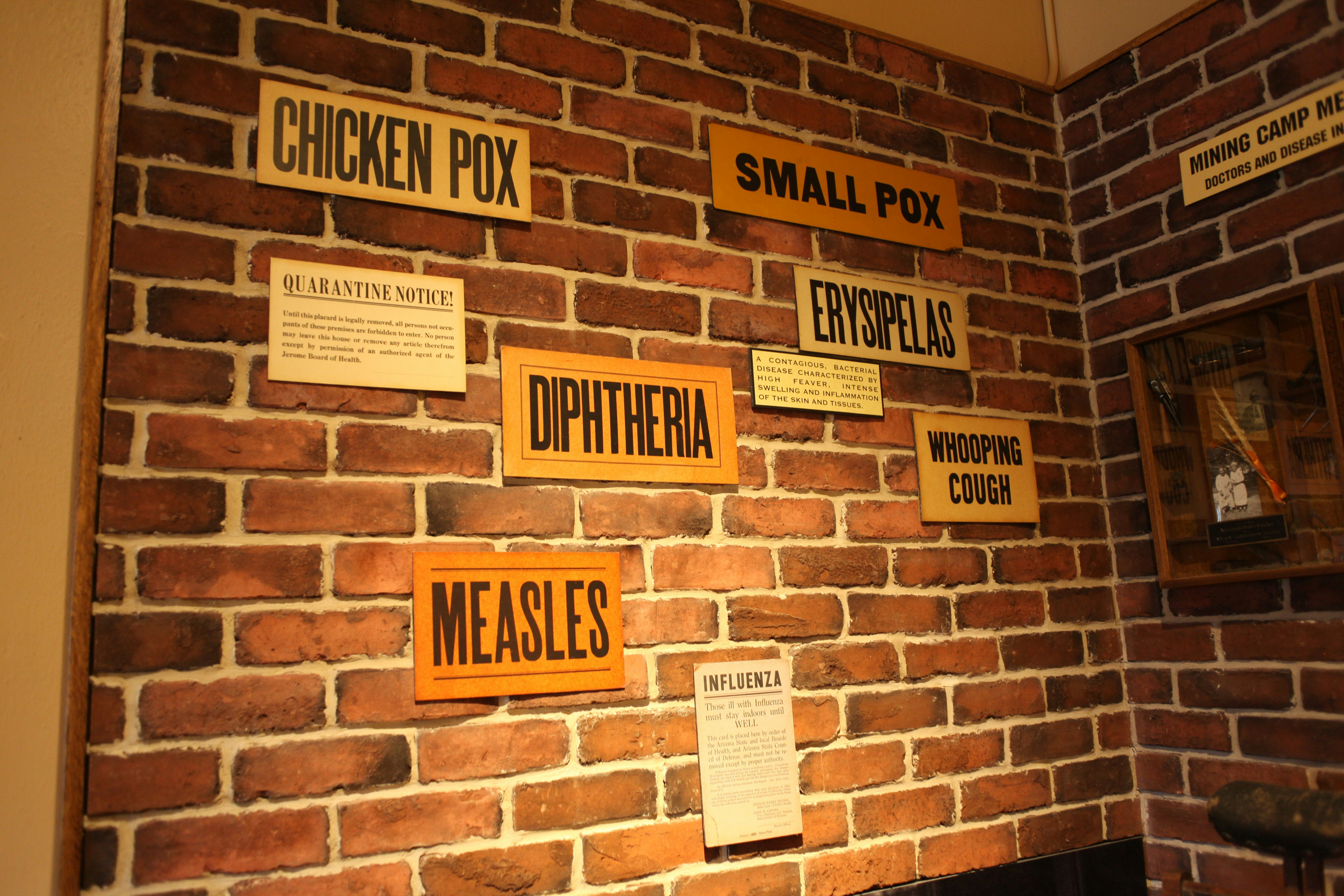
Overview of the 2026 Measles Outbreak
The outbreak of measles in the United States in 2026 has gained considerable attention from public health officials, as it marks a significant rise in reported cases. As of October 2026, the Centers for Disease Control and Prevention (CDC) has documented approximately 1,200 confirmed cases of measles nationwide. This sharp increase in incidence represents a 300% rise compared to the previous year, indicating a serious public health concern that warrants further investigation.
Geographically, the outbreak has shown alarming disparities, with states like California, Texas, and New York reporting the highest number of infections. These regions account for nearly 60% of the total cases, suggesting a concentrated spread of the virus. Urban areas, where vaccination rates tend to be lower, particularly due to misinformation, are disproportionately affected. Moreover, cases have also been reported in rural communities, highlighting that measles can affect varied demographics.
Demographically, the affected individuals include a diverse range of age groups, but the highest percentage of cases is among infants and young children who are not yet vaccinated. This demographic trend underscores the importance of vaccination campaigns to protect vulnerable populations. Additionally, vaccine hesitancy, fueled by misinformation about the vaccine’s safety, has emerged as a central issue in this outbreak. Public health experts emphasize that restoring confidence in vaccinations is crucial to curtailing this surge in measles cases.
Overall, the outbreak in 2026 signals a troubling resurgence of measles, which had been largely under control in previous years. Multiple factors, including lower vaccination rates, the spread of disinformation, and global travel, contribute to the escalating situation. Addressing these challenges will be essential in preventing further outbreaks and protecting public health in the future.
Vaccination Rates and Public Health Response
Vaccination rates play a crucial role in curbing the spread of measles, a highly contagious viral disease. Recent statistics indicate a troubling decline in vaccination coverage in many regions, which has significantly contributed to the resurgence of measles cases. For instance, coverage rates for the measles, mumps, and rubella (MMR) vaccine have fallen below the 95% threshold considered necessary to maintain herd immunity. This decline is often influenced by various factors, including misinformation about vaccine safety, personal beliefs, and access to healthcare services.
Public attitudes towards vaccinations are complex and varied. While many individuals support vaccination as a critical public health measure, a growing number express hesitancy due to fears about vaccine side effects and distrust towards health authorities. This skepticism can be exacerbated by misinformation spread through social media, challenging the efforts of health officials to promote vaccination. Addressing these concerns through effective communication and education is essential in enhancing public confidence in vaccines.
In response to the increasing number of measles cases, public health officials and agencies have implemented several policy measures aimed at increasing vaccination rates. Awareness campaigns highlighting the risks of measles, the benefits of vaccination, and the importance of achieving high immunization coverage have been initiated. Community outreach programs also focus on engaging with hesitant populations, providing information tailored to their specific concerns, and facilitating access to vaccination services.
Public health responses have evolved to include partnerships with schools, religious organizations, and community leaders to address vaccine hesitancy directly. By fostering a collaborative approach, public health agencies aim not only to increase immediate vaccination rates but also to build long-term trust and resilience against future outbreaks.
The resurgence of measles cases in 2026 has far-reaching consequences for public health, particularly for vulnerable populations. Individuals such as infants, the elderly, and those with compromised immune systems are at heightened risk. These groups are not only more susceptible to severe complications from the disease, such as pneumonia and encephalitis, but they also face a greater likelihood of experiencing long-term health issues. Understanding these risks is crucial, as it emphasizes the importance of maintaining high vaccination coverage to protect those who cannot be vaccinated.
Economically, the outbreak will have significant repercussions. The cost of managing the outbreak will strain health care systems already burdened by existing patients. Hospitals and clinics may find themselves overwhelmed, leading to increased wait times for all patients, not just those affected by measles. This disruption can hinder the overall efficacy of healthcare delivery, negatively impacting community health. Furthermore, lost productivity as caregivers take time off work to manage sick family members can lead to broader economic challenges.
Compounding these issues is the spread of misinformation surrounding vaccines. The emergence of false narratives about vaccination safety contributes to hesitancy and declines in immunization rates, which in turn fuels outbreaks. Public health campaigns must address these misconceptions to encourage vaccination and protect the community. Additionally, educational institutions may face operational challenges, including potential closures or shifts to remote learning in response to outbreaks. Community programs often rely on healthy populations, and a rise in measles cases may detract resources from other vital initiatives, further weakening community resilience.
In light of these implications, it is essential to prioritize public health initiatives that counter misinformation and advocate for immunization. The fight against such misinformation is as crucial as controlling the outbreak itself.
Preventative Measures and Future Outlook
In the face of the recent surge in measles cases, it is paramount for individuals and communities to adopt effective preventive strategies. Vaccination stands as the primary defense against measles, with the measles, mumps, and rubella (MMR) vaccine being highly effective in fostering immunity. Individuals, particularly parents, are encouraged to ensure that their children are vaccinated according to the recommended schedules. In addition, adults who have not been vaccinated or are unsure of their vaccination status should consult with healthcare professionals regarding catch-up vaccinations.
Staying informed is equally critical. Communities should establish platforms for disseminating accurate information about measles symptoms, transmission, and prevention. Leveraging social media, local health departments, and schools can enhance awareness and prompt timely vaccinations. Furthermore, community engagement can encourage discussions around the importance of vaccination, dispelling myths and misconceptions that may deter people from immunizing.
Global health cooperation remains an essential component in combating measles outbreaks effectively. Efforts must be intensified to support vaccination initiatives worldwide, particularly in low-resource settings where vaccination rates may lag. Organizations such as the World Health Organization (WHO) and the Centers for Disease Control and Prevention (CDC) play foundational roles in promoting global vaccination strategies and providing technical assistance to ensure equitable vaccine access.
Finally, ongoing research is crucial in enhancing vaccine effectiveness and the rapid development of new vaccine formulations. This may involve exploring new technologies and methodologies to improve responsiveness to emerging strains of the virus. Investments in vaccine research can bolster public health initiatives and pave the way for innovative strategies to traverse future outbreaks.