
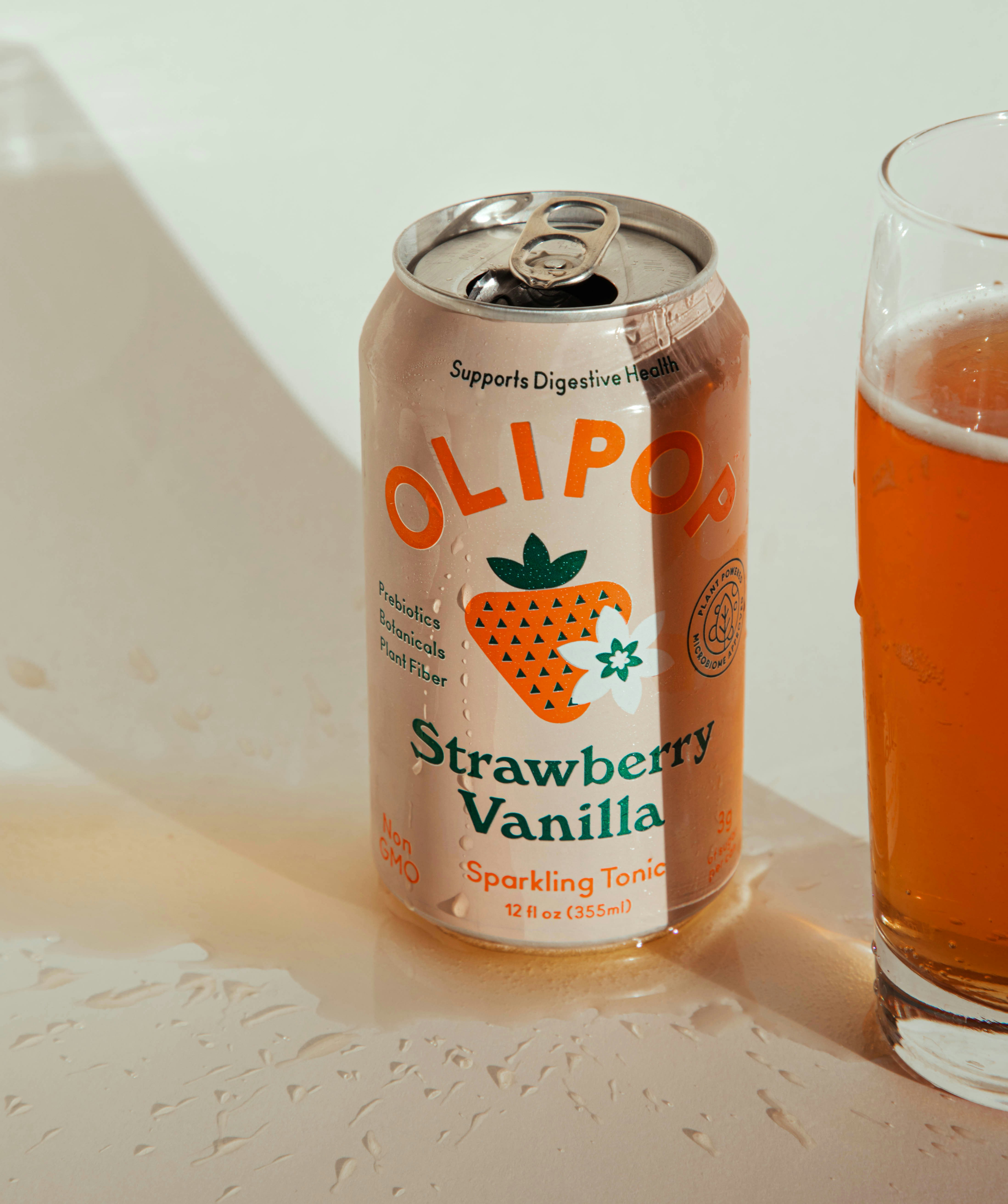
What Are Soft Drinks and Their Impact on Gut Health?
Soft drinks, also known as soda or carbonated beverages, are sweetened, non-alcoholic drinks that usually contain carbonated water, sugars or artificial sweeteners, flavorings, and sometimes caffeine. They come in various forms, including colas, fruit-flavored sodas, and diet versions, which focus on reducing caloric intake. The ingredients found in these beverages can vary significantly; however, the presence of high fructose corn syrup, aspartame, and phosphoric acid is common among many soft drinks, raising concerns over their health implications.
Research has shown that the frequent consumption of soft drinks can lead to imbalances in gut health. The high sugar content in regular soft drinks can disrupt gut flora, promoting the growth of harmful bacteria and yeast while diminishing beneficial microorganisms. This imbalance, known as dysbiosis, can have cascading effects on digestion, nutrient absorption, and immune response, potentially leading to chronic health issues such as obesity and metabolic syndrome.
Moreover, the artificial sweeteners typically found in diet soft drinks may also have adverse effects on gut microbiota. Studies suggest that these sweeteners can alter microbial composition, encouraging the growth of opportunistic pathogens that can worsen digestive health. Additionally, the acidity of soft drinks may contribute to inflammation in the gastrointestinal tract, further exacerbating gut-related disorders.
Understanding the impact of soft drinks on gut health is particularly relevant in the context of mental health. Recent studies have increasingly linked gut microbiota with brain health and mood regulation, with evidence suggesting that an imbalanced gut can contribute to the onset of depression and anxiety disorders. Thus, the role of soft drinks in influencing gut health cannot be overlooked when considering their broader impact on mental well-being.
Benefits of Being Mindful About Soft Drink Consumption
Mindful consumption of soft drinks has been linked to various benefits that can enhance both mental and physical health. By reducing reliance on sugary and carbonated beverages, individuals can experience significant improvements in several areas:
- Improved Mood: Studies have shown that high sugar intake from soft drinks can lead to mood swings and depressive symptoms. A reduction in soft drink consumption may help stabilize blood sugar levels, which can result in a more balanced mood and decreased feelings of anxiety.
- Enhanced Gut Health: The gut microbiome plays a critical role in overall health, including mental well-being. Soft drinks, particularly those high in sugar and artificial ingredients, can adversely affect gut health. By opting for healthier beverage alternatives, individuals can support a diverse and balanced microbiome, contributing to better digestion and improved mood regulation.
- Weight Management: Soft drinks are often calorie-dense and nutritionally poor. Reducing their intake can aid in weight management efforts. Evidence suggests that maintaining a healthy weight is associated with lower rates of depression and anxiety, as body weight plays a crucial role in self-esteem and self-image.
- Reduced Risk of Chronic Diseases: Regular consumption of soft drinks has been linked to various chronic conditions, including obesity, diabetes, and heart disease. By being mindful about soft drink consumption, individuals can lower their risk of these diseases, thereby improving both their physical health and mental resilience.
- Increased Energy Levels: Excessive sugar from soft drinks can lead to energy crashes after the initial spike. Avoiding these beverages encourages more balanced energy levels throughout the day, which supports productivity and overall well-being.
Adopting a mindful approach to soft drink consumption not only enhances physical health but also contributes positively to mental well-being, fostering a more harmonious gut-brain connection.
Identify Triggers
Understanding the triggers that prompt soft drink consumption is the first steps in effectively reducing intake. Common triggers may include social situations, emotional states, or specific times of the day. Keeping a food diary can be helpful in pinpointing these patterns. By recording when and why soft drinks are consumed, individuals can recognize patterns and start to address the underlying causes. For instance, if stress is a common trigger, exploring healthier stress-relief techniques like meditation or exercise can be beneficial in reducing reliance on soft drinks.
Find Alternatives
Once triggers have been identified, the next step involves finding healthier alternatives that can fulfill similar cravings without the negative effects associated with soft drinks. Herbal teas, flavored water, or natural fruit juices can be excellent substitutes. These alternatives may provide the enjoyment of a beverage without excessive sugar or carbonation. Experimenting with making homemade sodas using carbonated water and natural fruit flavorings can also be a refreshing change that satisfies cravings while aligning with healthier habits.
Set Achievable Goals
Setting realistic and achievable goals is crucial for gradually reducing soft drink consumption. Rather than attempting a complete elimination, individuals may find success by establishing specific, incremental targets, such as reducing the number of soft drinks consumed each week. This approach not only fosters a sense of accomplishment but also allows the body to adjust to decreased sugar intake. Additionally, it is essential to redefine social situations that commonly involve soft drinks. Seeking out venues or events that focus on healthier beverage options can promote a supportive environment during this transition.
Maintain Social Enjoyment
Maintaining a social life while reducing soft drink consumption is vital for long-term success. It is important for individuals to openly communicate their goals to friends and family, fostering understanding and support. Engaging in social activities that do not revolve around food or beverages, such as hiking or game nights, can also decrease reliance on soft drinks in social settings. Moreover, being prepared with a healthier beverage in hand during social events can help resist the temptation to indulge in soft drinks.
Gradual Phasing Out
Phasing out soft drinks gradually instead of abruptly can lead to a smoother transition. One practical approach is to designate certain days of the week as soft drink-free days, gradually increasing the frequency of these days. This not only reduces the amount of soft drinks consumed but also helps to establish new habits over time. Incorporating mindful eating practices can also assist in managing cravings and making more intentional choices regarding beverage intake. Including occasional reminders of one’s health goals can reinforce the commitment to reducing soft drink consumption.
Common Mistakes to Avoid When Reducing Soft Drinks
Reducing soft drinks can be a beneficial step towards improving overall health and potentially mitigating the effects on mental well-being. However, many individuals encounter common pitfalls during this process that can undermine their goals. Recognizing and addressing these mistakes is essential for sustaining positive change.
One prevalent issue is substituting soft drinks with high-calorie beverages, such as sugary juices or flavored coffees. This mistake may lead to an unintended increase in caloric intake, ultimately hindering weight loss or health improvement efforts. Instead, opting for low-calorie or no-calorie alternatives such as sparkling water, herbal teas, or infused water can be both satisfying and health-conscious options. Additionally, incorporating beverages that focus on hydration rather than calories will further support physical and mental wellness.
Another common mistake is underestimating the importance of maintaining adequate hydration levels. Some people, while cutting back on soft drinks, may forget to drink enough water, which can lead to dehydration. It is crucial to remember that hydration plays a vital role in overall health, mood regulation, and energy levels. Setting daily hydration goals or keeping a water bottle nearby can serve as effective reminders to promote regular water intake.
Moreover, some may attempt to quit soft drinks abruptly, leading to cravings and withdrawal symptoms. Gradual reduction often proves to be more sustainable than an all-or-nothing approach. A strategic plan, such as reducing intake by a specific number of cans each week, can help to ease the transition while minimizing discomfort.
Lastly, neglecting to read labels on seemingly healthier substitutes can be misleading. Some products marketed as healthy may still contain high levels of sugar or artificial additives that may not contribute to overall well-being. Always check the nutritional information to ensure that the choice aligns with health goals.
Expert Tips for Better Dietary Choices
Making informed dietary choices can significantly impact overall health, particularly when considering the effects of soft drinks on mental well-being. Health experts advocate for a balanced diet rich in whole foods while minimizing the intake of sugary beverages. One key recommendation is to prioritize hydration through water, herbal teas, and naturally flavored waters, which support brain function and overall physiological processes without the added sugars found in soft drinks.
An essential aspect of dietary adjustments is understanding the nutrient composition of beverages. Replacing soft drinks with nutrient-dense alternatives can mitigate the risk of depression linked to high sugar intake. For instance, beverages like coconut water, kombucha, and smoothies made with leafy greens and fruits are excellent choices. These alternatives not only hydrate but also provide vitamins and minerals crucial for maintaining mental health. Additionally, incorporating probiotics found in fermented beverages can enhance gut health, further establishing the gut-brain connection.
Keeping track of daily fluid intake can help individuals stay within recommended hydration levels. Experts suggest aiming for at least 2 liters of water per day, tailored to individual needs based on activity levels and climate conditions. Utilizing apps or hydration tracking methods can assist in maintaining this goal. Furthermore, being mindful of cues for thirst and hunger can further guide healthier beverage choices throughout the day.
For those seeking more variety, exploring plant-based options such as almond milk, oat milk, or herbal infusions can provide refreshing alternatives. It is advisable to read nutrition labels carefully to avoid beverages high in added sugars and preservatives. Ultimately, making conscious decisions about beverage consumption can harness the power of nutrition for better mental health outcomes.
Conclusion and Call to Action
Throughout this article, we have explored the intricate relationship between soft drink consumption and mental health, particularly its potential impact on depression. The consumption of sugary beverages is prevalent in modern diets, often leading to negative health consequences, including weight gain and metabolic issues. However, emerging research indicates that the effects of these beverages extend beyond physical well-being, potentially influencing mood and psychological states. The high sugar content and artificial additives found in soft drinks may contribute to fluctuations in energy levels, exacerbating feelings of anxiety and depression.
It is essential to recognize that nutrition plays a significant role in mental health. By understanding the implications of soft drink consumption, individuals can make more informed dietary choices. Replacing soft drinks with healthier alternatives, such as water, herbal teas, or natural fruit juices, may help mitigate the risk of depressive symptoms and promote overall well-being. Additionally, individuals should consider incorporating a well-balanced diet rich in whole foods, omega-3 fatty acids, and antioxidants, as these elements contribute positively to mental health.
As you reflect on your dietary habits, we encourage you to consider the impact that soft drinks may have on your mental health. Begin your journey towards improved well-being by reducing the intake of sugary beverages and opting for healthier choices. We invite you to share your experiences or thoughts regarding the gut-brain connection and its implications on mental health in the comments section below. Your insights may inspire others on their path to better mental health through mindful eating and lifestyle choices. Together, we can foster a community focused on well-being and informed dietary decisions.