
1-Introduction to Pancreatic Cancer
Pancreatic cancer is a significant health concern that is often characterized by its late diagnosis and poor survival rates. According to the American Cancer Society, it is estimated that approximately 60,000 cases will be diagnosed each year in the United States alone. This cancer arises in the pancreas, an essential organ that plays a crucial role in digestion and regulating blood sugar levels. Awareness of the signs and symptoms associated with pancreatic cancer is vital, as early detection can substantially improve treatment outcomes.
The pancreas functions by producing digestive enzymes and hormones such as insulin and glucagon, which are essential for metabolic processes. When pancreatic cancer develops, it may lead to a dysfunction in these vital processes, causing a range of symptoms that can easily be overlooked. Individuals are encouraged to maintain an awareness of alterations in their health, especially in light of family history or known risk factors associated with this malignancy.
Common misconceptions about pancreatic cancer often stem from its relative rarity and the vague nature of its early symptoms, which can be mistaken for other less serious ailments. Many people may not recognize the importance of educating themselves about the potential indicators of this condition, such as jaundice, unexplained weight loss, or persistent abdominal pain. It is crucial to engage in self-reflection about one’s health history and to consult a healthcare provider if any concerning symptoms arise.
As we delve deeper into the specific signs and symptoms of pancreatic cancer, readers are encouraged to consider their personal health situations, reflecting on any changes or experiences that could be relevant in the context of this serious disease.
2-Common Symptoms of Pancreatic Cancer
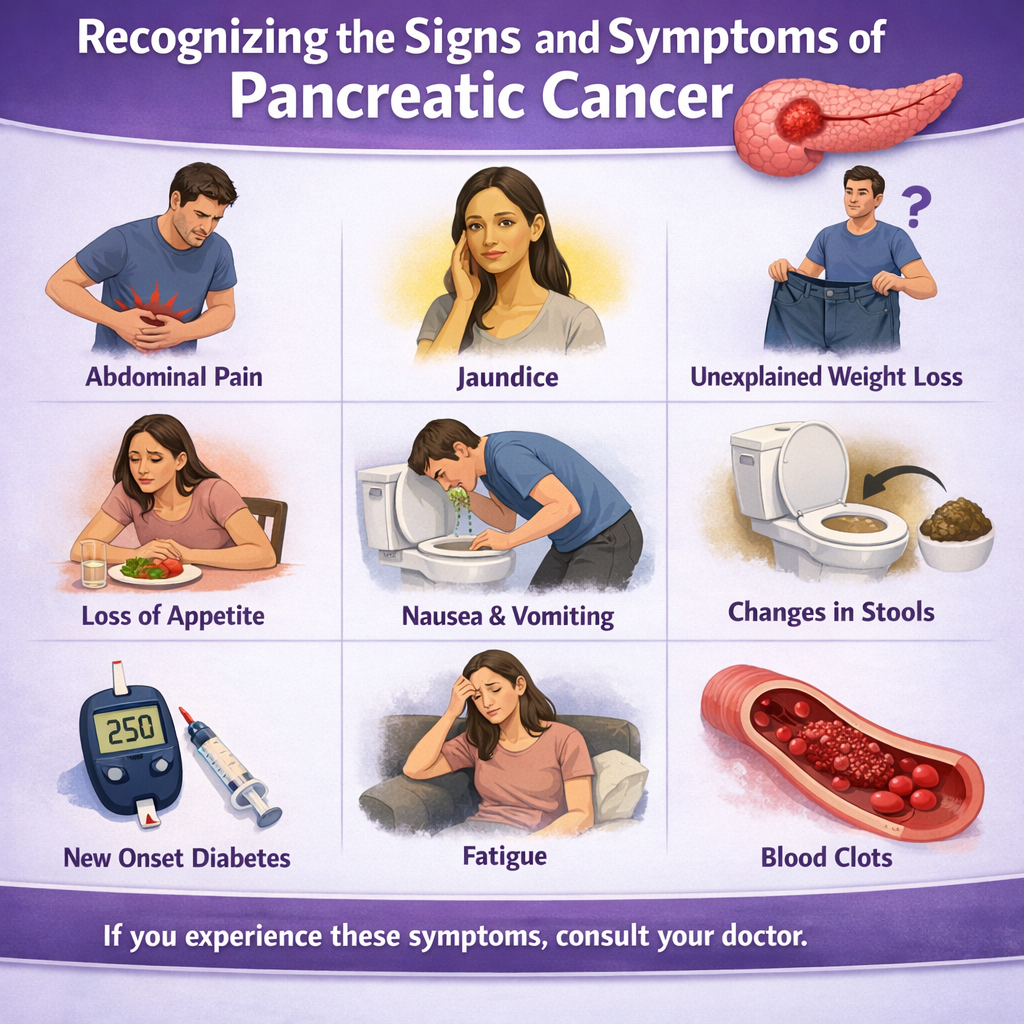
Pancreatic cancer is often characterized by a range of symptoms that can commonly arise and may sometimes be overlooked or attributed to less severe ailments. Recognizing these symptoms is crucial for timely medical intervention. One of the most well-known symptoms is jaundice, which manifests as yellowing of the skin and eyes. This condition occurs when the tumor obstructs the bile duct, leading to a buildup of bilirubin in the bloodstream. Individuals may notice a distinct change in skin color, and should seek medical advice upon observing these signs.
Weight loss is another significant symptom often experienced by those facing pancreatic cancer. Patients may find themselves losing weight inexplicably, which can be attributed to changes in appetite and metabolism. This symptom may differ from general weight loss associated with dietary changes or exercise. Anecdotal accounts reveal individuals recounting their struggle with unwanted weight loss, which prompted them to consult a healthcare professional sooner than later.
Abdominal pain is frequently reported among pancreatic cancer patients, often described as discomfort or sharp pain in the upper abdomen or back. As this pain can mimic common digestive issues, it is essential to consider its persistence and severity. Many individuals who initially perceived their discomfort as benign ultimately sought medical evaluation to rule out serious conditions.
Furthermore, patients may experience digestive issues such as nausea, vomiting, and changes in bowel habits. These symptoms can arise when pancreatic function is compromised. For instance, an individual sharing their journey might describe the frustration of frequent digestive disturbances, leading them to explore underlying causes with their healthcare provider. Understanding these symptoms, and their implications, underscores the importance of early consultation with a medical professional when such signs are present.

3-Risk Factors and Risk Reduction
Pancreatic cancer is often associated with several risk factors that may increase an individual’s likelihood of developing the disease. One of the most significant demographic considerations is age; the risk of pancreatic cancer increases as individuals grow older, with most cases diagnosed in people over the age of 65. Additionally, smoking is another critical risk factor. Evidence indicates that smokers have a higher probability of developing pancreatic cancer than non-smokers. Quitting smoking at any age can significantly lower the risk, making it a vital step in prevention.
Family history plays an essential role in pancreatic cancer risk. Those with a history of pancreatic cancer in their family are generally at a greater risk, especially if there are multiple affected relatives. Furthermore, specific genetic syndromes, such as hereditary pancreatitis and familial breast cancer genes, can also heighten susceptibility. Certain medical conditions, including type 2 diabetes and chronic pancreatitis, have likewise been linked to increased risk, highlighting the significance of managing these health issues proactively.
On the other hand, lifestyle modifications can substantially reduce the likelihood of developing pancreatic cancer. A healthy diet rich in fruits, vegetables, whole grains, and lean protein can bolster overall health. Regular physical activity is equally essential; engaging in moderate exercise for at least 150 minutes per week can aid in maintaining a healthy weight and reducing cancer risk. Incorporating healthier habits into daily life does not need to be overwhelming. Simple changes, such as walking instead of driving short distances, preparing meals at home, and prioritizing physical activities over sedentary entertainment, can be effective steps toward risk reduction.
4-When to Seek Medical Advice
Recognizing the signs and symptoms of pancreatic cancer can be challenging, as they often mimic those of other less serious conditions. However, it is crucial to pay attention to persistent or worsening symptoms, as early detection can significantly improve treatment outcomes. If an individual experiences symptoms such as abdominal pain, unexplained weight loss, jaundice, or changes in appetite that linger for more than a few weeks, it is advisable to consult a healthcare professional.
When seeking medical advice, the first point of contact may be a primary care physician, who can provide initial evaluations and referrals to specialists. It might be beneficial to prepare for the appointment by compiling a list of symptoms, their duration, and any relevant medical history. This information can help the healthcare provider determine the next steps, which may include blood tests, imaging studies, or referrals to a gastroenterologist or oncologist.
During the consultation, patients should feel empowered to ask pertinent questions. Inquire about which symptoms are most concerning and what tests can be performed to rule out pancreatic cancer. Additionally, asking about risk factors and preventive measures can provide clarity and context regarding personal health risks. Tests for pancreatic cancer may include an abdominal ultrasound, CT scan, or MRI, which allow for visualization of the pancreas to detect abnormalities.
Furthermore, if there is a family history of pancreatic cancer or other related medical conditions, it is crucial to communicate this to the healthcare provider. Understanding one’s medical background can influence the decision-making process for further evaluation. By remaining proactive and vigilant about health concerns, individuals can take charge of their wellbeing and facilitate timely intervention, potentially affecting the course of their health journey positively.