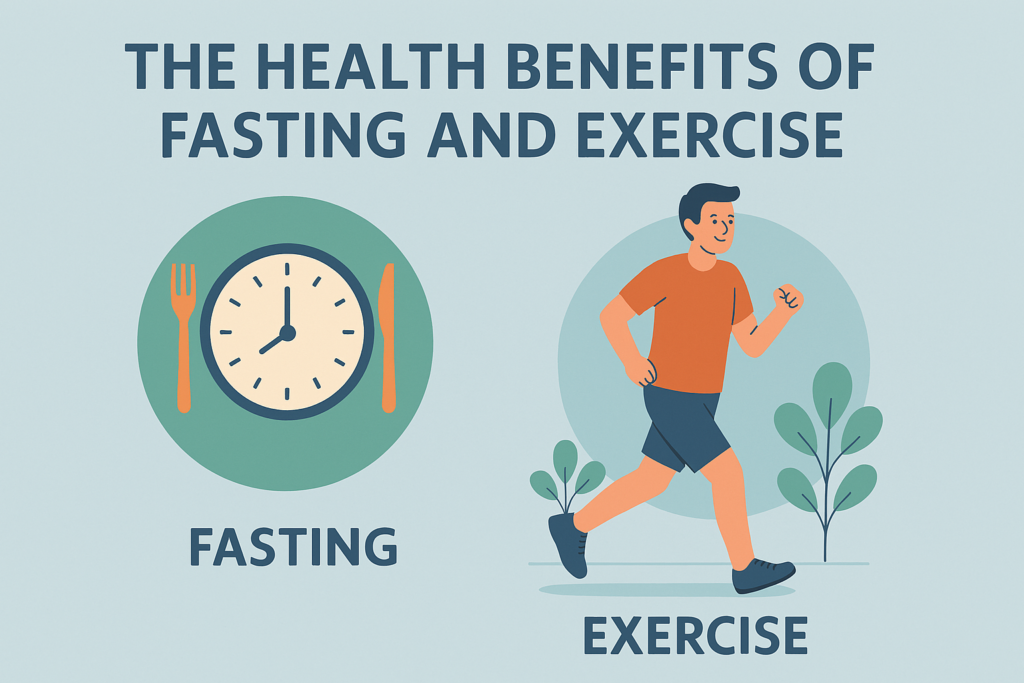
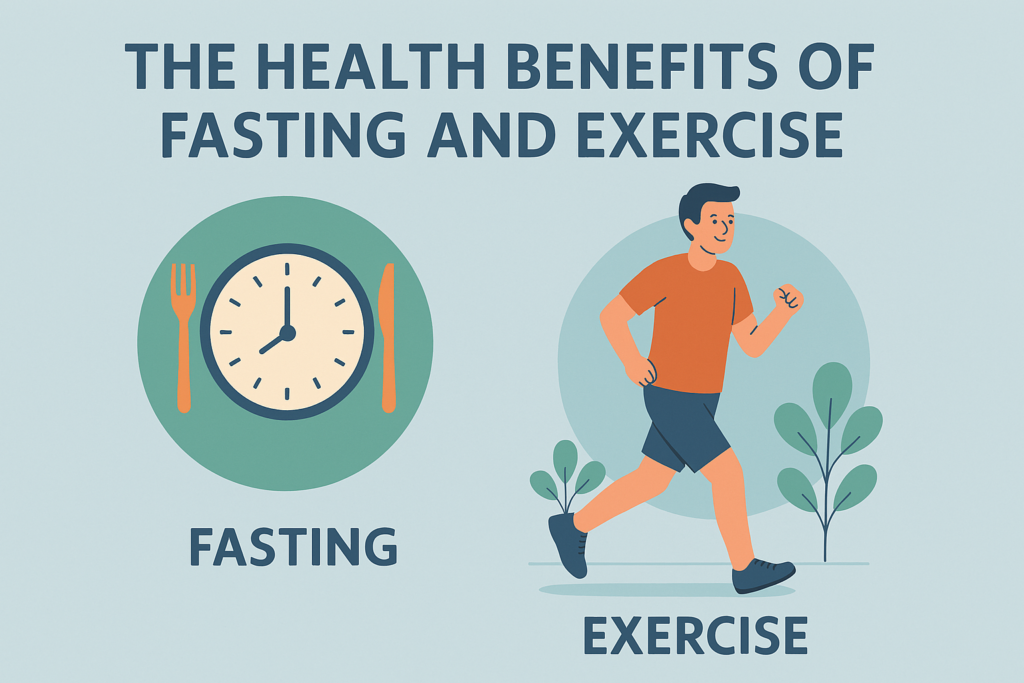
Fasting is a nutritional strategy that involves periods of abstaining from food intake, and its practice has gained popularity due to the associated health benefits. There are various types of fasting, with two of the most prominent being intermittent fasting and prolonged fasting. Intermittent fasting involves cycling between periods of eating and fasting, such as the 16/8 method, which limits eating to an eight-hour window each day. In contrast, prolonged fasting typically lasts for more than 24 hours and may extend up to several days.
The benefits of fasting extend to numerous aspects of health, beginning with weight loss. When the body undergoes fasting, it switches from using glucose as its primary energy source to burning fat. This shift contributes to a reduction in body fat and can lead to improved body composition. Furthermore, fasting has been shown to improve metabolism by increasing the levels of the hormone norepinephrine, which promotes fat breakdown.
Another significant benefit of fasting is its role in enhancing cellular repair processes. A key mechanism behind this is autophagy, a process by which cells remove damaged components and regenerate new cellular structures. This not only promotes cellular health but also may help in preventing age-related diseases.
Moreover, fasting induces metabolic adaptation, which can lead to improved insulin sensitivity. Enhanced insulin sensitivity helps in managing blood sugar levels and reduces the risk of type 2 diabetes. The cumulative effects of these physiological responses contribute to overall health and longevity.
In summary, fasting, whether through intermittent or prolonged methods, offers a myriad of health benefits, including weight loss, improved metabolic function, and cellular repair mechanisms. These factors underscore the transformative potential of fasting in promoting health and well-being.
The Role of Exercise in Enhancing Health
Regular physical activity is integral to promoting overall health and well-being. Engaging in various forms of exercise, including aerobic, anaerobic, and flexibility training, provides distinct health benefits that contribute to physical and mental wellness. Aerobic exercises, such as running, swimming, and cycling, boost cardiovascular health, improve lung capacity, and enhance endurance. These activities increase the heart rate and promote better blood circulation, which ultimately reduces the risk of heart disease and enhances overall physical fitness.
Anaerobic exercise, on the other hand, includes activities such as weightlifting and sprinting, which focus on building muscle strength and power. This type of exercise is essential for maintaining lean body mass, supporting metabolic health, and improving bone density. Strength training complements aerobic activities by contributing to a well-rounded fitness regimen that addresses different aspects of physical health.
Flexibility training, such as yoga and stretching, plays a critical role in enhancing the body’s range of motion and reducing the risk of injuries. It is often overlooked but is essential for maintaining mobility, facilitating proper movement patterns, and preventing muscle imbalances. Incorporating flexibility exercises helps improve posture and can alleviate the physical effects of stress.
The impact of exercise extends beyond physical health, significantly influencing mental health as well. Regular physical activity has been shown to alleviate symptoms of depression and anxiety by promoting the release of endorphins, which are natural mood lifters. Additionally, exercise has been linked to improved cognitive function and better sleep quality, contributing to an enhanced emotional state and quality of life.
In essence, incorporating exercise into daily routines serves not only to enhance physical fitness but also plays a pivotal role in disease prevention and mental well-being. Making exercise a priority is essential for achieving a balanced and healthy lifestyle, underscoring its importance in health management.
Combining Fasting and Exercise for Optimal Health
The integration of fasting and exercise has garnered considerable attention in recent years due to the potential synergistic effects that can enhance overall well-being. When fasting, the body undergoes various metabolic changes that can lead to improved fat loss and muscle preservation. Simultaneously, exercise triggers physiological adaptations that can optimize hormonal balance. Together, these two practices create a powerful approach to health and fitness.
Fasting can encourage the body to utilize stored fat as fuel, particularly during exercise. This leads to a dual benefit: enhanced weight loss and improved energy utilization. Furthermore, exercising in a fasted state may boost the release of growth hormone, which is essential for muscle maintenance and repair. Engaging in physical activity during fasting periods can help maximize fat oxidation while preserving lean muscle mass, promoting better body composition.
To effectively combine fasting and exercise, it is crucial to consider the timing of meals in relation to workout sessions. Many individuals find success by scheduling workouts just before breaking a fast. This allows for the replenishment of nutrients post-exercise, which is vital for recovery. However, it is essential to listen to one’s body and recognize signs of fatigue or overtraining. Exercising in a fasted state may not be appropriate for everyone, especially those who are new to these practices.
Practical tips for safely integrating fasting with exercise include starting with shorter fasting periods, gradually building tolerance, and prioritizing hydration. Additionally, monitoring energy levels during workouts can help individuals adjust intensity or duration as needed. By adhering to these guidelines, individuals can enjoy the mutual benefits of fasting and exercise, ultimately enhancing their health and achieving their fitness goals.
Practical Considerations and Starting Your Journey
Embarking on a journey that integrates fasting and exercise can be a transformative experience, but it is essential to approach this lifestyle change carefully and thoughtfully. Before making any alterations to your dietary or physical activity habits, it is advisable to consult healthcare professionals. A medical practitioner, dietitian, or nutritionist can provide personalized recommendations, especially for individuals with pre-existing health conditions or those who are new to fasting and exercise.
Setting realistic goals is a crucial step in this process. Establishing achievable objectives allows for steady progress and helps to maintain motivation. For example, one might start with intermittent fasting, such as the 16/8 method, and gradually introduce exercise routines that suit their current fitness level. It is advisable to monitor one’s body’s responses to these changes, as fasting and exercise can yield varying effects depending on individual circumstances.
Understanding how your body reacts to fasting and workout sessions is vital. Some individuals may experience fatigue or irritability when initially adapting to a fasting regimen, while others may find increased energy levels. Keeping a journal to track your experiences can be beneficial in recognizing patterns and tailoring your plan effectively.
Creating a sustainable plan that balances fasting and fitness is key to promoting an overall healthier lifestyle. This may include scheduling workout sessions around fasting periods or choosing nutrient-dense foods during eating windows to support physical activity. Gradually incorporating physical exercises, such as strength training or cardiovascular workouts, can enhance the fasting experience. Additionally, staying well-hydrated and allowing sufficient rest will support the body’s adaptation to these practices.