

Understanding Sleep: Why It Matters
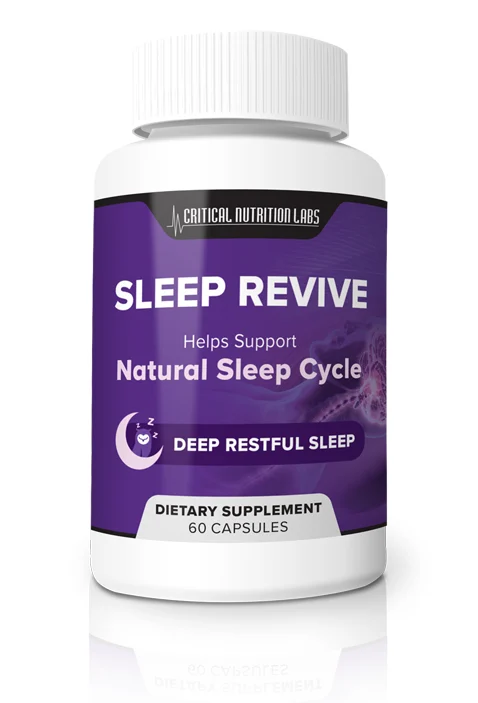
Importance of Sleep for health is a vital component of human health and overall well-being, playing a powerful role in shaping many aspects of daily life. Maintaining high Sleep Quality is essential for ensuring that the body and mind function at their best. During sleep, the body enters a state of recovery where it works to repair tissues, strengthen the immune system, and restore energy levels. These natural processes help the body to sleep revive, enabling it to recover from daily stress and physical activity. Achieving Deeper stages of sleep is especially important, as this is when the most significant restorative functions occur, including muscle growth, protein synthesis, and the release of growth hormones that support healing and development.
To get this product click here
However, the benefits of sleep can be disrupted by various factors, particularly Sleep Disorders such as insomnia or sleep apnea. These conditions can interfere with normal sleep cycles, preventing the body from reaching the deeper restorative stages needed for proper recovery. As a result, poor sleep can negatively affect physical health, reduce mental clarity, and limit productivity. For this reason, understanding the importance of quality sleep and taking steps to improve sleep habits is crucial. By prioritizing good sleep patterns and addressing potential sleep issues, individuals can enhance their ability to recover, recharge, and maintain long-term health and vitality.
To get this product click here
Mental clarity is another crucial benefit of quality sleep. When the body achieves restorative sleep, cognitive functions such as memory consolidation, problem-solving skills, and creativity are enhanced. Research indicates that a well-rested brain is more efficient in processing information and more adept at forming long-term memories. Conversely, sleep deprivation can lead to impaired cognition, diminished focus, and increased difficulties in decision-making.
Emotional balance is closely tied to sleep as well. Quality sleep promotes emotional regulation and resilience. Individuals who consistently experience restorative sleep are better equipped to manage stress and exhibit improved mood stability. In contrast, chronic sleep deprivation is linked to heightened emotional reactivity and an increased risk of mood disorders, such as anxiety and depression.
Furthermore, sleep profoundly affects productivity. Sufficient rest contributes to increased energy levels and alertness, which, in turn, enhance efficiency in daily tasks, be it at work or in personal life. A well-rested individual is typically more motivated, focused, and capable of performing complex tasks. Thus, recognizing the importance of sleep and striving for high-quality sleep should be a priority for anyone aiming to improve their health, cognitive function, and overall quality of life.
The Science of Sleep: How It Works
Sleep is a complex biological process vital for both physical and mental health. At the core of sleep are two primary stages: REM (rapid eye movement) sleep and non-REM sleep. Non-REM sleep is further subdivided into three stages, each progressively deeper, allowing the body to undergo essential restorative activities.
During non-REM sleep, particularly in the deeper stages, the body engages in tissue growth and repair, immune function enhancement, and energy restoration. This phase is crucial for physical recovery, as it helps to reestablish energy levels and prepares the body for the challenges of the next day. Non-REM sleep accounts for approximately 75-80% of total sleep time and is primarily when the body engages in these restorative processes.
Conversely, REM sleep plays a critical role in cognitive functions, particularly memory consolidation and processing of emotions. During this stage, brain activity resembles that of waking hours, which underlines its importance for mental rejuvenation. It is during REM sleep that the brain organizes and integrates new information, making it essential for learning and memory retention.
The circadian rhythm, a natural, internal process that regulates the sleep-wake cycle, significantly influences these sleep stages. Governed by light exposure, the circadian rhythm helps determine when the body feels alert and when it is tired. Disruption to this rhythm can adversely affect sleep quality and duration, ultimately hindering the restorative processes of deep sleep.
Understanding the science behind sleep, including its stages and regulatory mechanisms, underscores the importance of achieving adequate deep sleep for overall well-being. Promoting habits that facilitate a healthy sleep pattern is essential for reaping the full benefits of restorative sleep.
Common Sleep Problems: Identifying Issues
Sleep is an essential aspect of human health, yet countless individuals experience various sleep problems that disrupt their nightly rest. Common sleep disorders include insomnia, sleep apnea, restless leg syndrome, and anxiety-related disturbances. Recognizing the symptoms and causes of these conditions can help individuals identify their own sleep challenges.
Insomnia is characterized by difficulty falling or staying asleep, resulting in inadequate rest. Individuals suffering from insomnia may experience symptoms such as fatigue, mood swings, and difficulty concentrating during the day. Potential causes can range from stress and anxiety to underlying medical conditions, making it crucial for sufferers to pinpoint the issue for effective management.
Another prevalent disorder is sleep apnea, which causes interruptions in breathing during sleep. Common symptoms include loud snoring, gasping for air during sleep, and excessive daytime sleepiness. Individuals with sleep apnea may experience fragmented sleep resulting from repeated awakenings, which can lead to significant health issues over time. Factors contributing to sleep apnea may include obesity, age, and anatomical characteristics of the throat.
Restless leg syndrome (RLS) is a neurological condition leading to uncomfortable sensations in the legs, often accompanied by an uncontrollable urge to move them. This condition typically worsens during the evening and can hinder an individual’s ability to fall and stay asleep. RLS may be linked to genetic factors, iron deficiency, or other underlying health issues.
Anxiety-related sleep disturbances can also significantly affect sleep quality. Anxiety often manifests physically, leading to heightened levels of stress that can keep individuals awake at night. Recognizing signs of anxiety and addressing the underlying causes can promote better sleep patterns.
Creating the Ideal Sleep Environment
Achieving deep, restorative sleep begins with cultivating an ideal sleep environment. The conditions in which you sleep can significantly influence the quality of your rest. One of the primary factors to consider is lighting. The body’s natural circadian rhythms respond to light cues. Therefore, to promote deep sleep, it is essential to minimize artificial light exposure in the bedroom. Using blackout curtains can effectively reduce light pollution, while the use of dimmers or soft light bulbs during the evening can help signal to your body that it is time to wind down.
Next, consider the temperature of your sleeping space. Research suggests that a cool room, typically between 60-67 degrees Fahrenheit (15-19 degrees Celsius), creates an environment conducive to deep, restorative sleep. A cooler environment aids in lowering your core body temperature, which is a biological cue for sleep. Investing in quality bedding with breathable materials can also regulate body temperature, enhance comfort, and minimize disturbances during the night.
Noise levels are another crucial element in fostering a serene sleep atmosphere. Excessive noise can easily disrupt sleep cycles, hindering your ability to reach deeper stages of sleep. Utilizing soundproofing techniques or incorporating white noise machines can help mask disruptive sounds. Alternatively, using earplugs or sleeping in a quieter location in the home can aid in creating a more conducive auditory environment for sleep.
Lastly, the comfort of your bedding plays a major role in achieving restorative sleep. A supportive mattress and pillows tailored to your sleeping preferences can significantly enhance your overall sleep quality. Ensure that your bedding is clean and regularly laundered, as a fresh sleep space can also contribute to better rest.
Establishing a Bedtime Routine
Creating a consistent bedtime routine is essential for enhancing sleep quality and promoting deeper, restorative sleep. A well-structured pre-sleep ritual signals to the body that it is time to wind down, facilitating the transition from wakefulness to sleep. By adopting good practices, one can significantly improve their overall sleeping experience.
One effective method to foster a calming bedtime routine is to incorporate a digital detox in the hours leading up to sleep. The blue light emitted by screens can interfere with the production of melatonin, the hormone responsible for regulating sleep. Therefore, it is recommended to establish a screen-free period of at least one hour before bedtime. During this time, engaging in relaxing activities such as reading, journaling, or practicing mindfulness can help decompress from the daily stresses of life.
Moreover, incorporating relaxation techniques into your bedtime routine is beneficial for encouraging deeper sleep. Methods such as deep breathing exercises, progressive muscle relaxation, or gentle stretches can effectively release tension and prepare the body for rest. A warm bath or shower may also assist in lowering the body’s core temperature afterward, further promoting the sleep process.
It is equally important to set a consistent sleep schedule, going to bed and waking up at the same time each day, even on weekends. This stability reinforces the body’s natural circadian rhythm, leading to improved sleep efficiency and overall well-being. Adequate sleep hygiene, including creating a comfortable sleep environment that is dark, quiet, and cool, complements the established routine, enhancing its effectiveness.
By thoughtfully arranging a bedtime routine focused on digital detoxing and relaxation techniques, individuals can cultivate an environment that fosters deeper, restorative sleep. Implementing these practices consistently can lead to significant improvements in sleep quality within a matter of days.
The Role of Diet and Exercise in Sleep Quality
Sleep quality is profoundly influenced by both dietary choices and physical activity. Nutrition plays a pivotal role in regulating sleep patterns, with certain foods known to promote restorative sleep. For instance, foods rich in potassium, such as bananas and avocados, help relax muscles, aiding in a deeper sleep. Similarly, dairy products contain tryptophan, an amino acid that supports the production of melatonin, the hormone responsible for regulating sleep-wake cycles. Additionally, complex carbohydrates found in whole grains and legumes can increase tryptophan availability, further enhancing sleep quality.
Conversely, some foods may hinder sleep quality and should be avoided, especially close to bedtime. Caffeine-laden items like coffee, tea, and chocolate can lead to disrupted sleep patterns due to their stimulating effects. Alcohol, while initially sedating, often results in fragmented sleep later in the night, preventing restorative sleep stages. Likewise, heavy or spicy meals can cause discomfort or indigestion, making it challenging to fall asleep. Therefore, maintaining a balanced diet that emphasizes sleep-promoting foods while limiting sleep-disruptive options is integral for anyone seeking better sleep quality.
Alongside dietary influences, regular physical activity significantly affects sleep. Engaging in regular exercise has been shown to deepen sleep cycles and decrease the amount of time it takes to fall asleep. Aerobic exercises, such as running, cycling, or swimming, are particularly effective in promoting restorative sleep. Even light exercise, like walking, can yield improvements in sleep quality. However, timing is crucial; exercising too close to bedtime may have the opposite effect, stimulating the body and delaying sleep onset. Hence, integrating consistent, appropriately timed exercise into one’s routine can be a vital component in achieving deeper, more restorative sleep.
Incorporating Relaxation Techniques
Achieving deeper, more restorative sleep often hinges on the ability to effectively relax before bedtime. Incorporating various relaxation techniques into your nightly routine can significantly reduce stress and prepare your mind for restful slumber. Popular methods include mindfulness practices, meditation, and deep breathing exercises, all of which play a vital role in calming the mind.
Mindfulness is the art of being present and fully engaged with the moment, free from distraction or judgment. This practice not only enhances awareness but also allows individuals to observe their thoughts and feelings without becoming overwhelmed. To incorporate mindfulness before sleep, one can dedicate a few minutes to focusing on their breath or sensations in the body, gradually easing into a state of relaxation. By engaging in mindfulness, you can mitigate anxiety that often interferes with the ability to fall asleep.
Meditation serves as another effective technique for enhancing relaxation. Through guided or unguided practices, individuals can experience a significant reduction in stress levels. Apps and online resources offer various meditation techniques tailored to different needs, whether seeking to promote relaxation or to foster a deeper connection with oneself. Regular meditation not only fosters a calm state of mind but can also improve the quality of sleep over time.
Deep breathing exercises are simple yet powerful tools that assist in lowering heart rates and calming the nervous system. Techniques such as the 4-7-8 breathing method can be particularly beneficial. This involves inhaling through the nose for four counts, holding the breath for seven counts, and exhaling slowly through the mouth for eight counts. Practicing deep breathing for a few minutes each night can shift the body from a state of stress to one of relaxation, thus facilitating a smoother transition into sleep.
Overall, integrating these relaxation techniques into your nightly routine can greatly improve your ability to achieve deeper, more restorative sleep in just days. By embracing mindfulness, meditation, and deep breathing, you create an environment conducive to relaxation, ultimately enhancing your sleep quality.
To get this product click here
Supplements and Sleep Aids: What You Should Know
In the quest for deeper, more restorative sleep, many individuals turn to supplements and sleep aids. These options can vary greatly in their effectiveness and safety profiles. Among the most popular is melatonin, a hormone that regulates the sleep-wake cycle. Melatonin supplements may be particularly beneficial for those who struggle with insomnia or have irregular sleep patterns, such as shift workers or frequent travelers. However, it is crucial to understand that melatonin is not a one-size-fits-all solution. The appropriate dosage can vary, and excessive use may disrupt the body’s natural production of this hormone.
Another natural option is valerian root, which has been utilized for centuries to promote relaxation and improve sleep quality. Research suggests that valerian root can enhance sleep latency and overall sleep quality, making it a favored choice among herbal remedies. However, individuals should be cautious, as the effectiveness of valerian root can differ from person to person, and potential side effects can include headaches, dizziness, or gastrointestinal issues.
In addition to melatonin and valerian root, various herbal remedies such as chamomile, lavender, and passionflower are also suggested for promoting better sleep. While these herbs may help some individuals relax, relying solely on them without the guidance of a healthcare professional can be unwise. It is essential to consult a healthcare provider before starting any supplement, particularly for those who are pregnant, nursing, or taking prescription medications, as possible interactions may occur.
In summary, while sleep supplements and aids like melatonin, valerian root, and various herbal remedies can offer potential benefits, it is imperative to approach these options thoughtfully. A professional consultation can provide personalized advice and help ensure the safe integration of these remedies into one’s sleep routine.
Setting Sleep Goals and Tracking Progress
Establishing clear sleep goals is a vital step toward achieving deeper, more restorative sleep. Begin by assessing your current sleep patterns and determining what improvements are necessary. A realistic goal might be to aim for 7-9 hours of quality sleep each night, depending on individual needs and lifestyle factors. Consider factors such as your work schedule, physical activity levels, and personal commitments when setting these goals.
To effectively monitor your progress, utilize a sleep journal or a sleep tracking app. A sleep journal allows for manual entry, where you can note down your bedtime, wake time, and any factors affecting your rest, such as environmental noise or stress levels. Alternatively, sleep tracking apps can provide automated monitoring of your sleep patterns, offering insights through technology that measures cycles of sleep and wakefulness.
Regular self-monitoring promotes awareness of your sleep habits and can help in understanding the effectiveness of the changes you’re implementing. By diligently tracking your sleep patterns, you may discover trends that either contribute to or detract from your overall sleep quality. This information can empower you to make informed adjustments, such as setting earlier bedtimes or creating a more conducive sleep environment.
Moreover, sharing your goals with a friend or family member might add an additional layer of accountability, encouraging you both to stay committed to cultivating healthier sleep habits. In turn, these practices can lead to better sleep outcomes, enabling you to experience the restorative benefits that deep sleep provides.
To get this product click here