
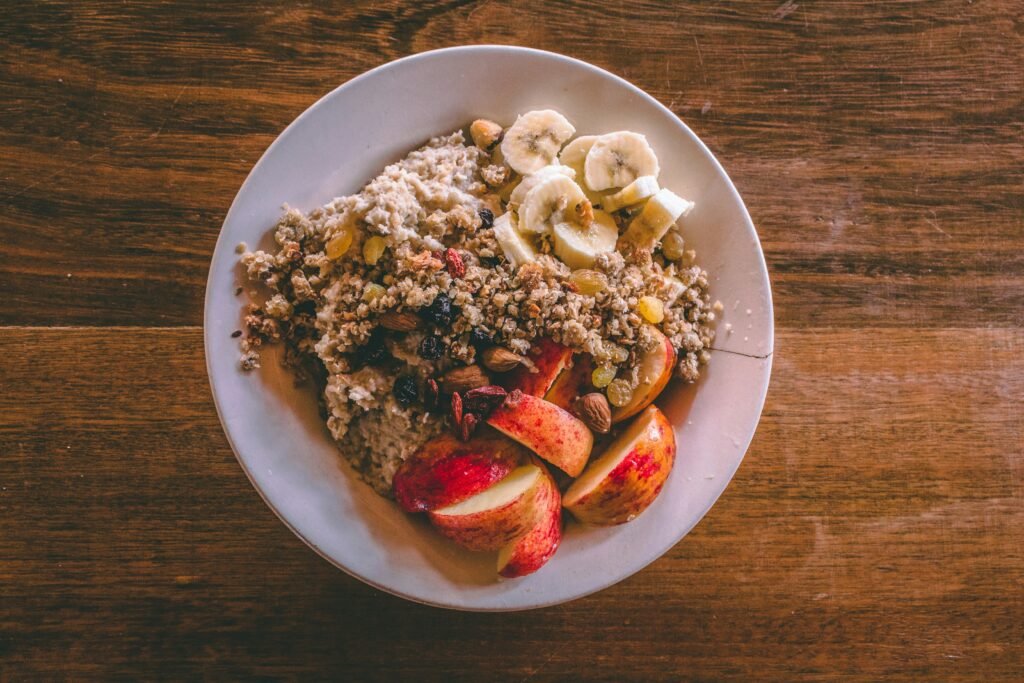
Introduction to High Fiber Diets
A high fiber diet primarily emphasizes the consumption of foods that are rich in dietary fiber, a carbohydrate that the body cannot digest. Fiber is crucial for digestive health and plays a significant role in weight management, making it a popular focus for those pursuing weight loss. When incorporated into meals, fiber aids in prolonging feelings of fullness, thus reducing overall calorie intake.
Dietary fiber can be categorized into two main types: soluble and insoluble fiber. Soluble fiber dissolves in water and forms a gel-like substance that slows digestion, which helps in regulating blood sugar levels and lowering cholesterol. Foods rich in soluble fiber include oats, beans, lentils, and certain fruits like apples and oranges. On the other hand, insoluble fiber does not dissolve in water and adds bulk to the stool, promoting regular bowel movements. Whole grains, nuts, and vegetables such as carrots and broccoli are excellent sources of insoluble fiber.
The significance of a high fiber diet extends beyond weight loss. It can contribute to improved gut health, better blood sugar control, and a decreased risk of various chronic diseases, including heart disease and Type 2 diabetes. For adults, it is generally recommended to consume approximately 25 to 30 grams of dietary fiber each day, although most individuals do not meet this target. By integrating high fiber foods into one’s diet, such as whole grains, fruits, vegetables, and legumes, individuals can significantly enhance their fiber intake while also benefiting from the various nutrients these foods provide.
Benefits of a High Fiber Diet
A high fiber diet presents a multitude of health benefits, particularly in the context of weight loss. One of the primary advantages of increasing dietary fiber is its positive effect on digestion. Fiber aids in the regulation of bowel movements and helps prevent constipation by adding bulk to the stool, which facilitates its passage through the digestive tract. This enhanced digestive function contributes to a healthier gut, which is essential for overall well-being.
Another significant benefit of a high fiber diet is appetite control. Foods rich in fiber tend to be more filling, which can lead to reduced overall calorie intake. The satiety that fiber provides helps to curb hunger pangs and prevent overeating. Many high-fiber foods, such as fruits, vegetables, and whole grains, require more chewing, which can also promote mindfulness during meals. By incorporating these foods into your diet, you can foster better eating habits, making weight management more achievable.
Additionally, dietary fiber plays a crucial role in regulating blood sugar levels. High fiber foods can slow down the absorption of sugar in the bloodstream, which is particularly beneficial for individuals looking to manage their weight. This steady release of glucose helps to prevent spikes and crashes in blood sugar, minimizing the likelihood of cravings that could lead to unhealthy snacking.
Furthermore, a high fiber diet is linked to various health improvements, including lower cholesterol levels and reduced risks of chronic diseases such as heart disease and type 2 diabetes. By emphasizing fiber-rich foods, individuals can experience a comprehensive boost to their overall health, making it a vital component of any effective weight loss strategy.
Foods Rich in Fiber
Incorporating high fiber foods into your diet is essential for promoting weight loss and overall health. Fiber is a type of carbohydrate that the body cannot digest, and it plays a crucial role in aiding digestion, regulating blood sugar levels, and ensuring satiety. Here are some foods particularly rich in fiber.
Fruits: Many fruits are excellent sources of fiber. For instance, an average medium-sized pear contains approximately 5.5 grams of fiber, while a medium apple provides about 4 grams. Berries, such as raspberries and blackberries, are also particularly high in fiber, with around 8 grams per cup. Including a variety of fruits in your diet not only helps in weight loss but also contributes to your vitamin and antioxidant intake.
Vegetables: Vegetables are another fiber-rich food group beneficial for weight management. Vegetables such as broccoli, artichokes, and Brussels sprouts are particularly high in fiber. A cup of cooked broccoli contains about 5 grams of fiber, while a medium artichoke delivers an impressive 7 grams. Incorporating a range of vegetables into your meals can enhance fiber intake and improve satiety.
Whole Grains: Whole grains are vital for a high fiber diet. Foods like quinoa, barley, and oats are excellent choices. For instance, one cup of cooked quinoa offers around 5 grams of fiber, and a serving of oatmeal contains about 4 grams. Opting for whole grain versions of bread and pasta can also provide additional fiber.
Legumes: Legumes, including beans, lentils, and peas, are among the highest fiber foods. For example, a cup of cooked black beans contains approximately 15 grams of fiber, while lentils provide about 16 grams per cup. These nutrient-dense options are not only high in fiber but also rich in protein.
Nuts and Seeds: Nuts and seeds are also excellent sources of fiber. Chia seeds contain a remarkable 10 grams of fiber per ounce, while almonds provide about 3.5 grams per ounce. Including a handful of nuts or seeds as snacks or topping on meals can help boost overall fiber intake.
Incorporating these fiber-rich foods into daily meals can support weight loss efforts, improve digestion, and promote overall health. By making conscious choices about dietary fiber, individuals can significantly enhance their nutrition and well-being.
How to Incorporate More Fiber into Your Diet
Incorporating more fiber into your diet is both manageable and beneficial for your overall health. To begin, it is important to set realistic goals for fiber intake, gradually increasing the amount rather than making a sudden change. Aiming for the recommended daily intake of 25 to 30 grams of fiber can help establish a sustainable practice.
One effective strategy is meal planning. By incorporating fiber-rich foods into your meals, you create a balanced diet that satisfies hunger while improving digestive health. Start your day with a breakfast that includes whole grains, such as oatmeal or whole-grain bread, and add fruits like berries or bananas that provide additional fiber. For lunch and dinner, focus on incorporating a variety of vegetables, legumes, and whole grains, such as brown rice or quinoa. Keep an eye out for versatile ingredients such as lentils, which can easily be added to soups and salads.
Cooking methods also play a pivotal role in maintaining fiber levels in foods. Steaming, roasting, or eating foods raw often retains their nutritional benefits compared to frying. Additionally, seek out whole food snacks like air-popped popcorn or raw nuts to keep fiber intake consistent throughout the day. When trying new recipes, consider swapping out refined grains with their whole-grain counterparts to enhance fiber content.
Lastly, increasing water intake is critical as fiber absorbs water in the digestive tract. Adequate hydration helps prevent bloating and discomfort, ensuring that the dietary changes yield the desired benefits. Aim for at least eight glasses of water a day, adjusting as necessary based on activity level and personal needs.
By employing these practical tips and strategies, you can gradually increase your fiber intake and effectively support your weight loss journey while promoting overall health.
Sample Meal Plan for a High Fiber Diet
Implementing a high fiber diet can be an effective strategy for weight loss and overall health. Below is a sample meal plan designed to provide a rich source of dietary fiber throughout the day while maintaining balanced nutrition.
For breakfast, consider starting your day with a bowl of oatmeal topped with fresh berries and a sprinkle of chia seeds. Oatmeal is an excellent source of soluble fiber, aiding digestion and promoting satiety. Adding berries not only enhances the flavor but also increases antioxidant intake, making this meal both nutritious and satisfying.
At mid-morning, a healthy snack can include a small handful of almonds and an apple. This combination delivers a beneficial mix of both soluble and insoluble fiber, which can keep hunger at bay until lunchtime.
For lunch, create a colorful salad incorporating spinach, quinoa, chickpeas, and assorted vegetables such as bell peppers and cucumbers. Topped with a light vinaigrette, this meal is not only high in fiber but also packed with vitamins and minerals essential for balanced nutrition.
As an afternoon snack, consider carrot sticks paired with hummus. This snack is rich in fiber and provides important nutrients while doubling as an excellent way to curb afternoon cravings.
For dinner, a serving of grilled salmon served alongside steamed broccoli and a baked sweet potato would make for a satisfying meal. Both sweet potatoes and broccoli are high in fiber, and the omega-3 fatty acids from salmon contribute to overall health.
As you finalize your day, remember that staying hydrated is crucial, so drink plenty of water or herbal teas to assist with digestion. This meal plan, rich in fiber and balanced in macronutrients, can help you meet your fiber intake goals and support your weight loss efforts effectively.
Common Challenges and Solutions
Transitioning to a high fiber diet can present several challenges for individuals. Many newcomers may experience digestive discomfort, including bloating, gas, or cramping, as the body adjusts to increased fiber intake. It is important to introduce fiber gradually, allowing the digestive system to adapt. Start by incorporating smaller portions of high fiber foods into your meals, such as fruits, vegetables, legumes, and whole grains. Over time, you can increase the amounts, minimizing discomfort.
Another common challenge is sourcing high fiber food options, particularly in environments where processed foods dominate. To overcome this, individuals should prioritize whole foods, which are naturally rich in fiber. Meal planning can facilitate this transition; by preparing meals in advance, individuals can ensure they have access to fiber-rich options throughout the week. Leveraging seasonal produce also enhances the variety and accessibility of high fiber foods.
Additionally, some may find it difficult to maintain adequate hydration when increasing fiber consumption. Fiber requires water to aid in digestion. Therefore, it is vital to enhance your fluid intake alongside increasing fiber. A balanced approach of drinking at least eight glasses of water per day can prevent complications such as constipation, a potential side effect of a high fiber diet if hydration is insufficient.
Finally, individuals may feel overwhelmed by the sheer quantity of information about high fiber diets. Utilizing reputable resources, joining support groups, or consulting with a nutritionist can provide clarity and tailored advice. Many online platforms and mobile applications can also assist in tracking fiber intake. By addressing these common challenges with practical strategies, individuals can successfully navigate their way to a balanced, high fiber diet that supports weight loss and overall health.
Myths About High Fiber Diets
High fiber diets are often subject to various myths and misconceptions that can deter individuals from adopting healthier eating habits. One common misconception is that high fiber foods are exclusively plant-based and therefore difficult to incorporate into a balanced diet. In reality, there are numerous sources of dietary fiber, including various grains, vegetables, fruits, and legumes, which can seamlessly fit into a wide range of diets. This diversity allows for flexibility in meal planning, making it easier for individuals to adopt a high fiber dietary approach without sacrificing flavor or variety.
Another prevalent myth is that fiber is solely effective for weight loss by promoting feelings of fullness. While it is true that fiber-rich foods can help manage appetite, their benefits go beyond just weight management. Fiber plays a crucial role in digestive health by aiding in regular bowel movements and potentially reducing the risk of gastrointestinal disorders. Furthermore, soluble fiber helps lower cholesterol levels, thus contributing positively to heart health and overall well-being.
Some people also believe that increasing fiber intake will lead to digestive discomfort, such as bloating or gas. While these symptoms can occur when fiber is dramatically increased in the diet too quickly, they can often be mitigated by gradually incorporating high fiber foods and ensuring adequate water consumption. It is vital for individuals to listen to their bodies and adjust their fiber intake accordingly, rather than avoiding it altogether due to fear of discomfort.
In conclusion, debunking these myths surrounding high fiber diets can encourage more individuals to make informed dietary choices. Understanding the true benefits of fiber can lead to improved health outcomes and support weight loss efforts effectively.
Success Stories and Testimonials
The journey towards adopting a high fiber diet for weight loss can be incredibly transformative, as evidenced by numerous success stories from individuals who have embraced this nutritional approach. One notable testimonial comes from Sarah, a 32-year-old teacher who struggled with weight for years. She decided to incorporate more fiber-rich foods into her diet and began focusing on fruits, vegetables, whole grains, and legumes. Over the course of six months, Sarah managed to lose 25 pounds, attributing her success to feeling fuller longer due to increased fiber intake. She mentions, “The high fiber diet has not only helped me shed weight, but it has also improved my overall digestion and energy levels.”
Similarly, Mark, a 45-year-old office worker, found that transitioning to a high fiber diet significantly impacted his health. Initially skeptical, he followed a high fiber meal plan designed by a nutritionist, emphasizing plant-based sources. After four months, Mark reported a weight loss of 30 pounds and a notable decrease in his cholesterol levels. He shared his enthusiasm by stating, “I never realized how much of an impact fiber could have—not just on my weight but on my heart health as well.”
Another inspirational account comes from Emily, a 28-year-old fitness enthusiast who combined her exercise routine with a high fiber diet. She focused on seamlessly integrating legumes and whole grains into her meals, which contributed to her weight loss while still enabling her to maintain energy for her workouts. Within eight months, Emily lost 20 pounds and also noticed improved skin health, which she attributes to the antioxidants found in many fiber-rich foods. She expressed, “Incorporating more fiber into my diet was a game-changer. It made me feel strong and rejuvenated.”
These testimonials showcase not only the effectiveness of a high fiber diet for weight loss but also how such dietary changes can lead to broader health benefits. Inspired by these stories, many are encouraged to see what similar changes can bring to their own lives.
Conclusion and Final Thoughts
As we have explored throughout this guide, a high fiber diet can be a valuable asset in achieving weight loss goals. The inclusion of fiber-rich foods not only aids in reducing caloric intake but also enhances satiety, helping individuals to feel fuller for longer periods. Additionally, a diet abundant in fiber supports digestive health, regulates blood sugar levels, and can contribute to overall well-being.
To summarize, adopting a high fiber diet involves incorporating a variety of fruits, vegetables, whole grains, legumes, nuts, and seeds into daily meals. Each of these food groups provides essential nutrients while facilitating weight loss through their impactful qualities. It is imperative to ensure a gradual increase in fiber intake to avoid digestive discomfort, thereby allowing the body to adjust effectively.
Moreover, maintaining adequate hydration is crucial when transitioning to a high fiber diet, as it supports the digestive system in processing increased fiber intake. While the benefits of a high fiber diet are significant, it is also advisable for individuals to seek professional dietary advice. Consulting with a registered dietitian or nutritionist can help tailor a high fiber diet specifically to one’s personal health goals and needs, ensuring a balanced and sustainable approach to weight loss.
In conclusion, a high fiber diet can serve as a powerful tool for those embarking on a weight loss journey. By making informed dietary choices and considering professional guidance, individuals can successfully incorporate the benefits of fiber into their lifestyles for lasting results.